
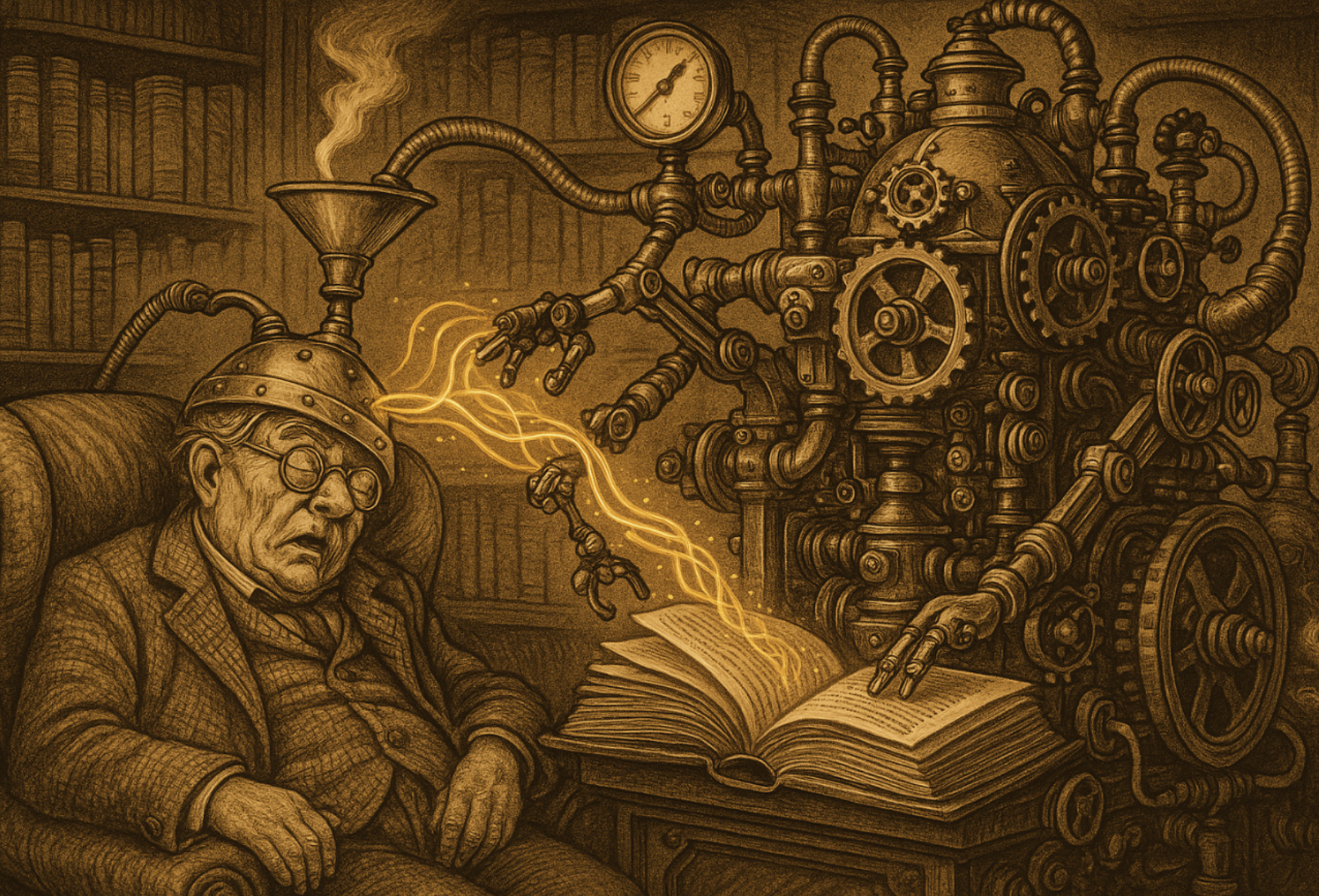
Why “AI Research Assistants” Might Be the Best Thing to Happen to Academia… or the Worst
Let’s be honest: nobody has time to read 50-page PDFs, dig through outdated citation lists, or search Google Scholar for the 99th time hoping that this query will magically surface the perfect paper.
And just when academia feels like a treadmill we can’t get off, a new generation of AI-powered research tools has exploded — from research AI assistants, AI article review generators, smart academic AI search, to full-blown AI-powered research tools that can find references, summarize papers, analyze methods, and even generate new research ideas.
That should be great news… right?
Well, yes — and also maybe alarmingly no.
Here’s why this moment is both revolutionary and risky.
1. The Golden Promise: Academia Without Gatekeeping
AI finally democratizes research.
Tools like ai powered research assistant, smart academic ai search, and free research paper generator are making it possible for anyone — not just students from top institutions — to access knowledge.
No more Googling “how to download research papers for free,” no more paywall rage, no more praying that your university login still works.
These tools can:
-
Pull new AI research papers instantly
-
Generate research summaries (“summarizing app”, “summarizing en español”)
-
Extract methods & findings
-
Help you find references with AI
-
Even analyze research data with “ai analysis generator” tools
This is the most accessible academic world we’ve ever lived in.
But accessibility comes with a subtle trap.
2. The Hidden Cost: Are We Outsourcing Our Thinking?
Here’s the controversial part:
The easier it becomes to “read” a paper, the less we might actually understand it.
When:
-
an AI tool for research reads the article for you,
-
an AI article review generator writes the critique,
-
a research AI free tool summarizes the methodology,
-
and a google ai research tool tells you which paper matters…
Where exactly is your thinking happening?
We’re speeding up the workflow,
but we’re also risking intellectual autopilot.
Academia becomes dangerously shallow when:
-
Students cite papers they’ve never read,
-
Writers trust AI interpretations without verifying,
-
Researchers skip the “struggle phase” that actually creates insight.
AI should accelerate thinking, not replace it — yet many are letting it do the latter.
3. The Productivity Shock: Research at the Speed of Light
Of course, there’s a reason everyone is obsessed.
These tools work.
A modern researcher with:
-
read.ai login
-
ai research assistant free
-
paper finding engine
-
ai powered research tools
can produce in one afternoon what used to take two weeks.
We’re talking:
-
Instant literature reviews
-
AI-filtered relevance ranking
-
Clean, structured summaries
-
Citation-ready references
-
Methodology extraction
-
Code interpretation
-
Topic mapping
-
Even “academic writing AI free online” helpers
This is the closest academia has ever been to “plug-and-play”.
But here’s the question nobody wants to ask:
If everyone uses the same AI tools, will all research start to look the same?
Innovation requires friction.
AI removes friction.
That's both miraculous — and deeply risky.
4. The Coming Divide: AI-Native vs AI-Dependent Scholars
The future academic world is splitting into two groups:
A. AI-Native Researchers (the winners)
They use AI tools strategically:
-
AI speeds up grunt work
-
Humans handle interpretation, synthesis, originality
-
They check summaries against the full paper
-
They use AI to brainstorm, but not to replace reasoning
These researchers will be faster, smarter, and more creative than ever.
B. AI-Dependent Researchers (the ones in danger)
They rely on:
-
AI summaries instead of reading
-
AI critiques instead of evaluating
-
AI synthesis instead of thinking
-
AI writing instead of explaining
Their research becomes formulaic, shallow, and easily outperformed.
Both groups use AI, only one group still thinks clearly.
5. So… Should We Use AI Research Tools or Not?
Here’s the balanced truth:
Use AI for speed
-
literature scans
-
paper discovery
-
high-level summaries
-
reference extraction
-
workflow organization
Use your brain for depth
-
evaluating argument quality
-
spotting contradictions
-
contextualizing findings
-
questioning assumptions
-
developing original insights
AI is an accelerator — not a replacement.
The scholars who thrive in the next decade will be the ones who learn how to think with AI, not instead of it.